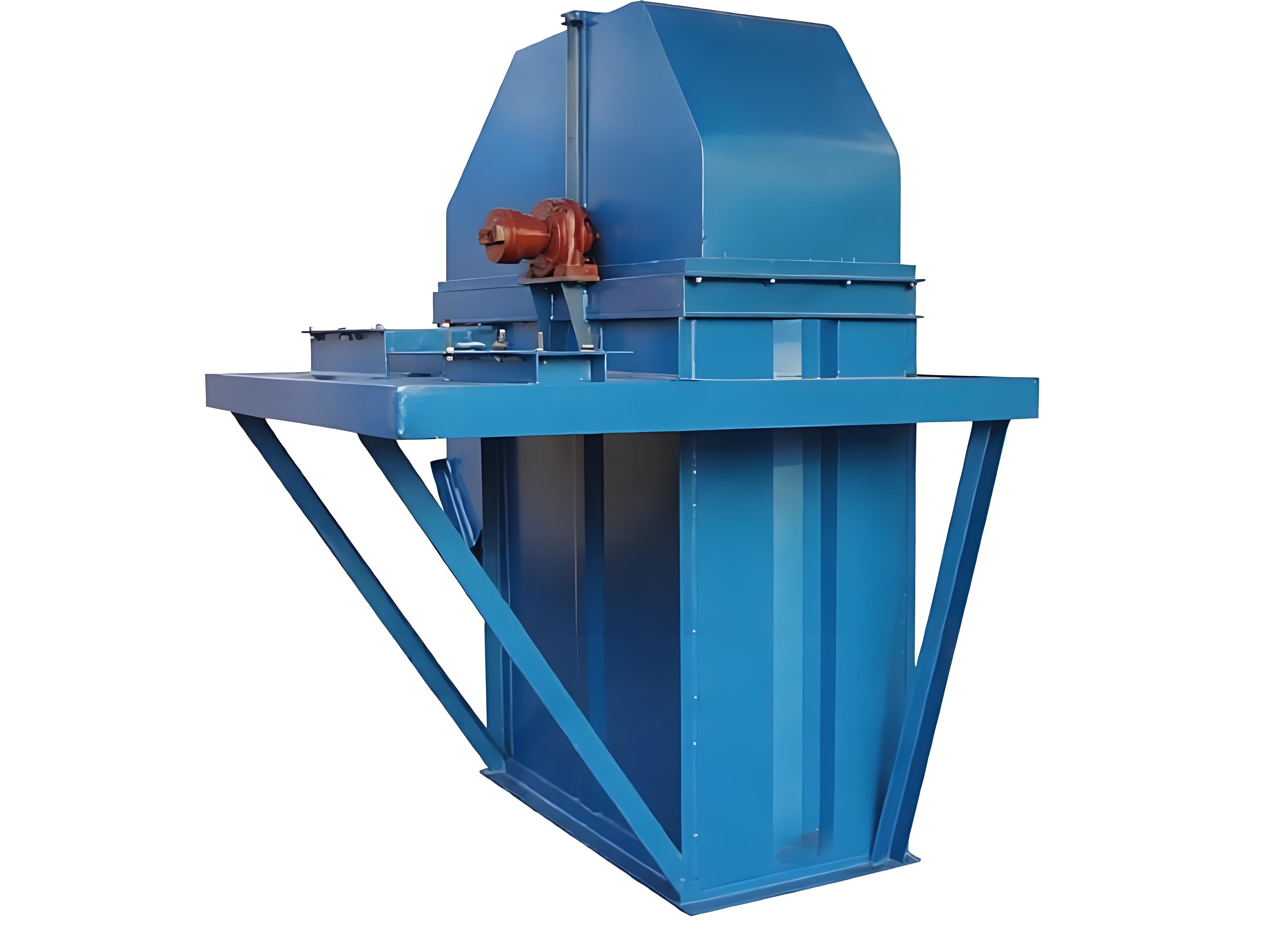
Super Capacity Bucket Elevator
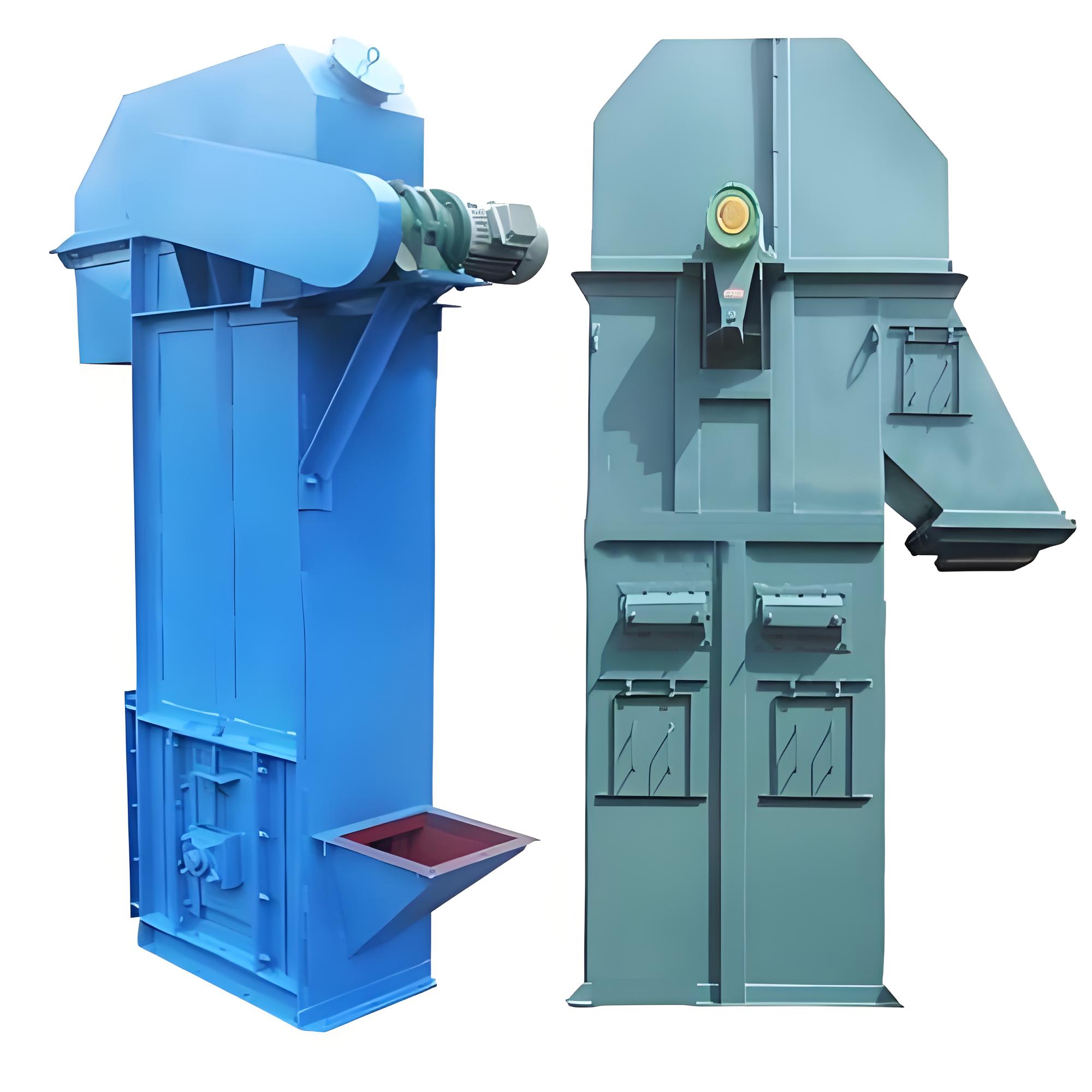
Self-supporting free-standing design – no external structural steel required.
Capacity range: 100 – 800+ TPH.
Heavy-duty head shafts up to 13 inches in diameter.
Dual-strand chain with 40,000 lb rating.
Gravity-style self-tensioning take-up system – zero boot shaft leakage.
Robust casing with heavy-duty angle-iron supports and gusset plates.
Available in belt or chain drive, centrifugal or continuous discharge.
Custom engineered for potash, cement, mining, grain, and chemical industries.
Each unit structurally analyzed by licensed Professional Engineers.
Technical Article | Bulk Material Handling Engineering Team
With extensive experience in engineering heavy-duty bucket elevators for potash, cement, and mining industries since the late 1990s
Published: August 11, 2026
The Market Challenge
A significant challenge has emerged across bulk handling industries worldwide. Many super capacity bucket elevators currently in operation were installed decades ago. The original manufacturers of these self-supporting units have since exited the market, leaving plant operators with aging equipment, no access to original drawings, no replacement parts, and no service support.
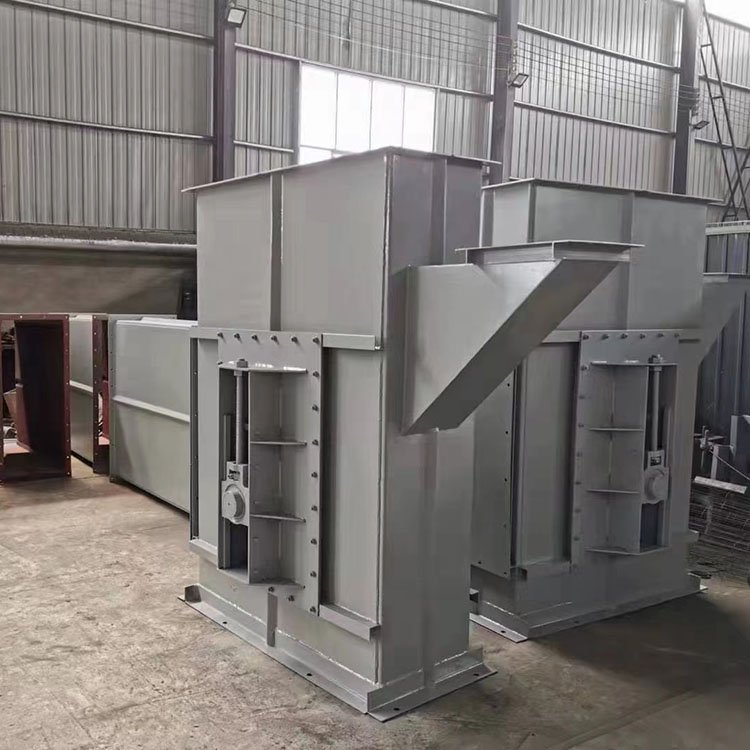
“The original manufacturers of many self-supporting elevators now in operation exited the market years ago,” notes a lead design engineer. “Plant operators are left with aging units, no original drawings, and no one to call when something fails. We've seen this scenario repeatedly across potash and cement facilities—a 20-year-old unit breaks down, the original manufacturer no longer exists, no drawings are available, and there's simply no replacement parts to be found.” When a critical component fails—and eventually it will—production grinds to a halt.
This market void has created growing demand for modern super capacity bucket elevator solutions that can seamlessly replace outdated equipment while meeting today's rigorous safety and performance standards.
What Is a Super Capacity Bucket Elevator?
A super capacity bucket elevator is a dual-chain continuous bucket elevator. According to Indian Standard IS 12941:1990, it is defined as a continuous chain bucket elevator having a capacity of over 150 tonnes per hour. In practice, these elevators range from approximately 100 TPH up to 800 TPH.
The defining characteristic is its dual-chain configuration—buckets mounted between two strands of chain rather than on a single chain or belt. This distributes the load across two chains, enabling the system to handle extreme weights.
Self-Supporting Design: A Critical Advantage
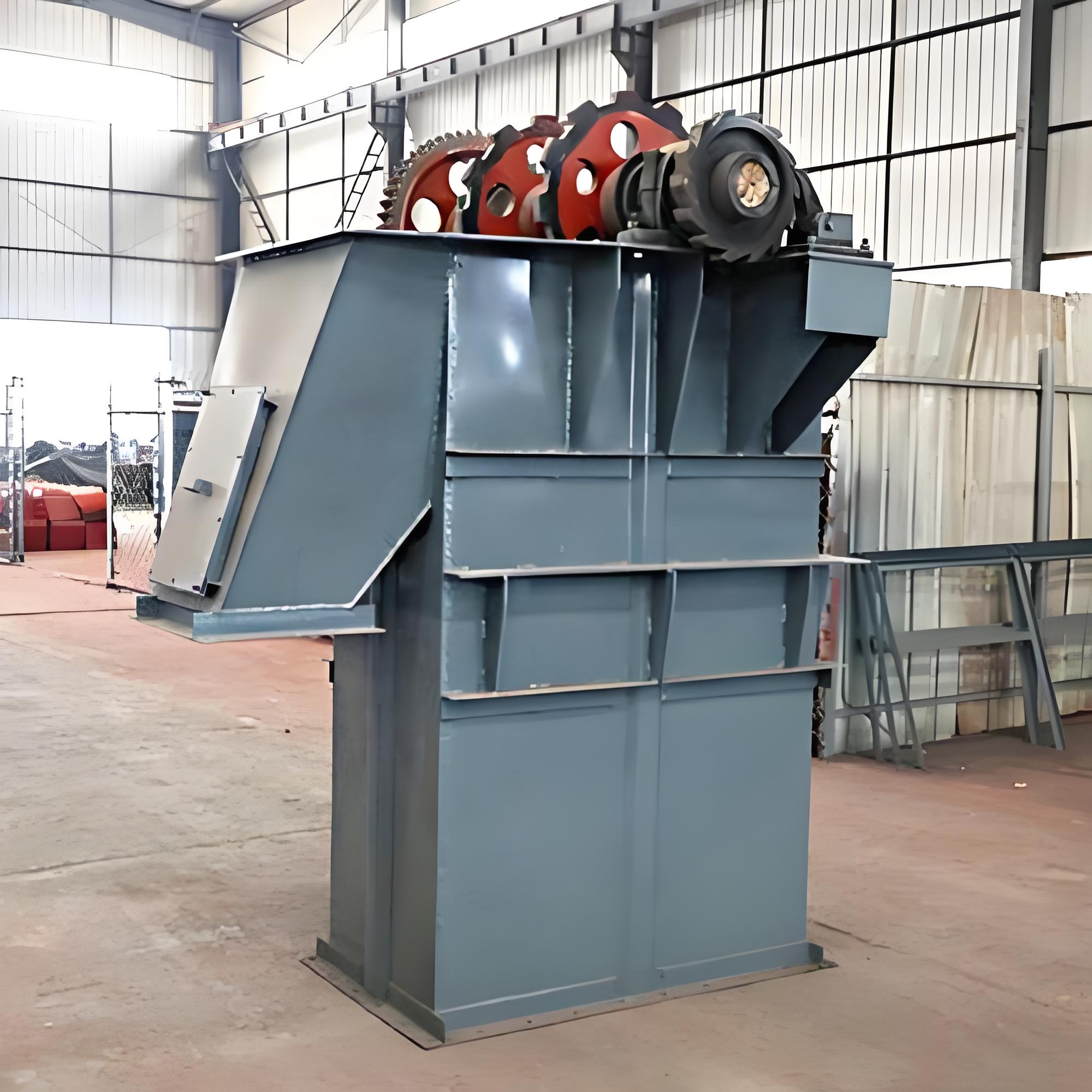
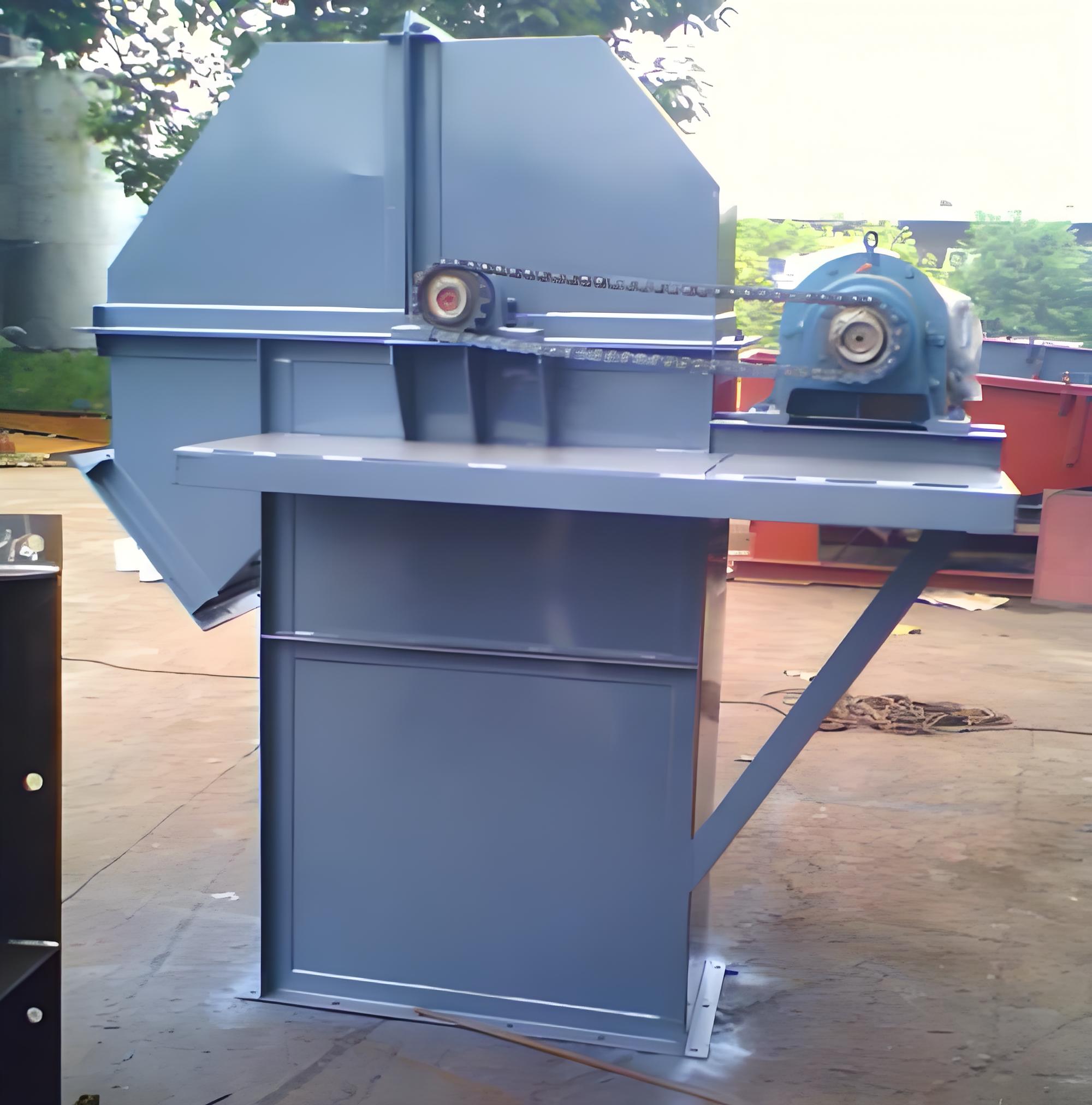
A key differentiator is the self-supporting (free-standing) configuration. Traditional super capacity elevators rely on external structural steel to support the majority of the equipment and material load. In contrast, a self-supporting super capacity bucket elevator is entirely self-contained. The casing and foundation bear the full weight of the unit, eliminating the need for external structural steel supports.
In a self-supporting design, the head frame affixed to the bearings transfers the unit's weight to gusset plates, which then transfer the load to the heavy-duty angle-iron-supported casing.
Engineering Design Considerations
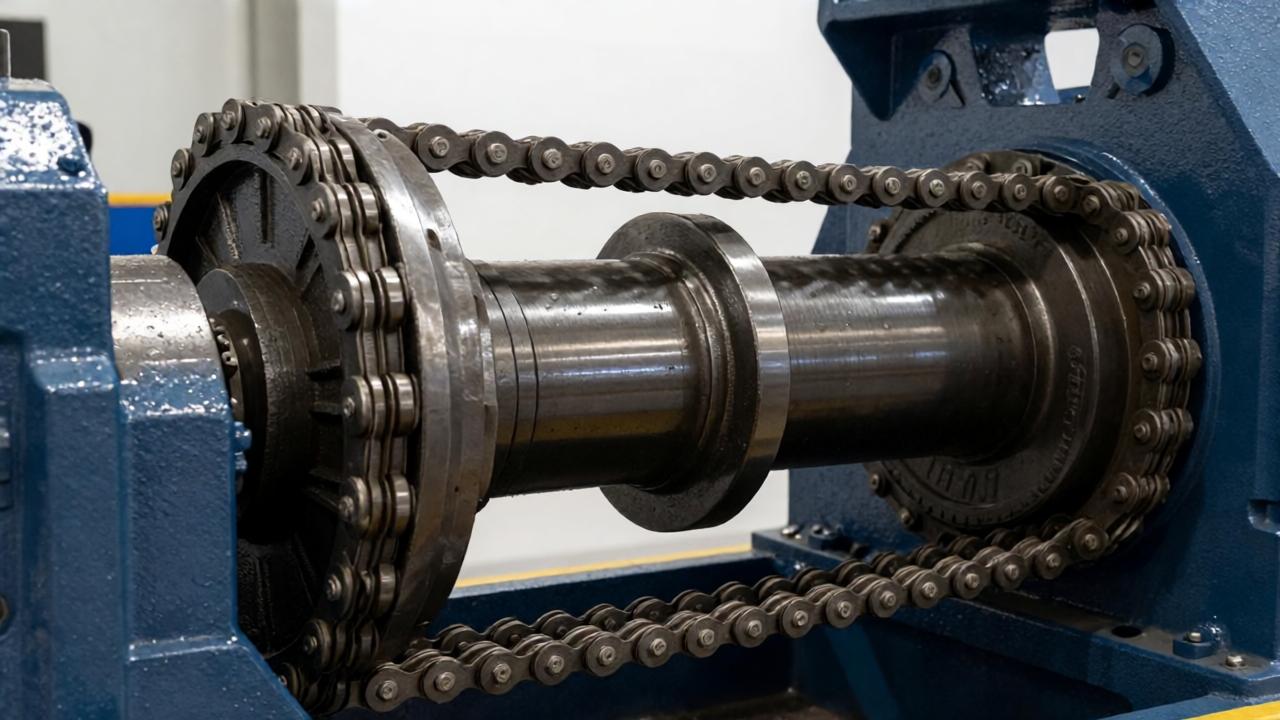
Extreme loads demand significantly more robust engineering. In super capacity applications, chain pull can exceed 40,000 pounds, plus the weight of casings and drive components. To counteract these forces, super capacity designs utilize head shafts up to 13 inches in diameter—compared to 8 inches or less for standard elevators. The dual-chain configuration divides the load between two chains, reducing stress on individual components.
Super capacity chain elevators require gravity-style take-up systems rather than screw take-ups, providing self-tensioning, minimal maintenance, and eliminating potential material leakage at the boot shaft. Each self-supporting super capacity bucket elevator undergoes rigorous structural analysis by licensed Professional Engineers to ensure it meets the demands of heavy-duty operations.
Project Example: Replacing a 20-Year-Old Unit
A potash production facility in North America faced a critical challenge in early 2025. Their self-supporting super capacity bucket elevator, originally installed in 2006, had reached the end of its service life. The original manufacturer had ceased operations in 2014, leaving the plant with no access to original drawings, no spare parts inventory, and no service support.
The facility needed a direct replacement that would fit within the existing footprint without requiring structural modifications. The solution was a self-supporting super capacity bucket elevator engineered to match the original unit's dimensions while incorporating modern safety features and increasing throughput capacity by 15%. Installation was completed during the plant's scheduled shutdown, and the new unit has operated with zero unplanned downtime in the first 12 months of service.
How to Determine If You Need a Super Capacity Elevator
A super capacity bucket elevator is the right choice when your required throughput exceeds 100 TPH, when you are replacing aging equipment whose original manufacturer no longer exists, when your facility lacks structural steel for external supports, or when you need a single-unit solution rather than multiple standard elevators.
Super Capacity vs. Standard Bucket Elevator
| Feature | Super Capacity Bucket Elevator | Standard Bucket Elevator |
|---|---|---|
| Capacity Range | 100 – 800+ TPH | Typically below 100 TPH |
| Chain Configuration | Dual-chain | Single-chain |
| Head Shaft Diameter | Up to 13 inches | Typically ≤ 8 inches |
| Chain Rating | Up to 40,000 lbs | Lower rating |
| Take-Up System | Gravity-style | Screw or gravity |
| Structural Support | Self-supporting option available | External steel required |
| Primary Applications | High-tonnage bulk handling | General-purpose conveying |
Frequently Asked Questions
What is the maximum capacity of a super capacity bucket elevator?
Capacities typically range from approximately 100 TPH up to 800 TPH, depending on material characteristics and operating conditions.
What is the difference between super capacity and standard?
Super capacity elevators feature a dual-chain configuration, larger head shafts (up to 13 inches), higher chain ratings (up to 40,000 lbs), gravity-style take-up systems, and more robust casing designs.
What is a self-supporting super capacity bucket elevator?
A self-supporting elevator eliminates the need for external structural steel to support vertical loads. The casing and foundation bear the full weight of the unit.
What industries use them?
Key industries include potash and fertilizer production, cement manufacturing, mining, large-scale grain operations, and chemical processing plants.
What is chain pull?
Chain pull is the combined weight of the material, buckets, and chain. In super capacity elevators, it can exceed 40,000 pounds and is a critical design factor.
What take-up system is used?
Gravity-style take-ups are the standard choice, providing self-tensioning, minimal maintenance, and eliminating boot shaft leakage.
Products
Hot Modules
locations


headquarters
Address:China,Yanjin county forest park gate to the west 1000 meters north road.