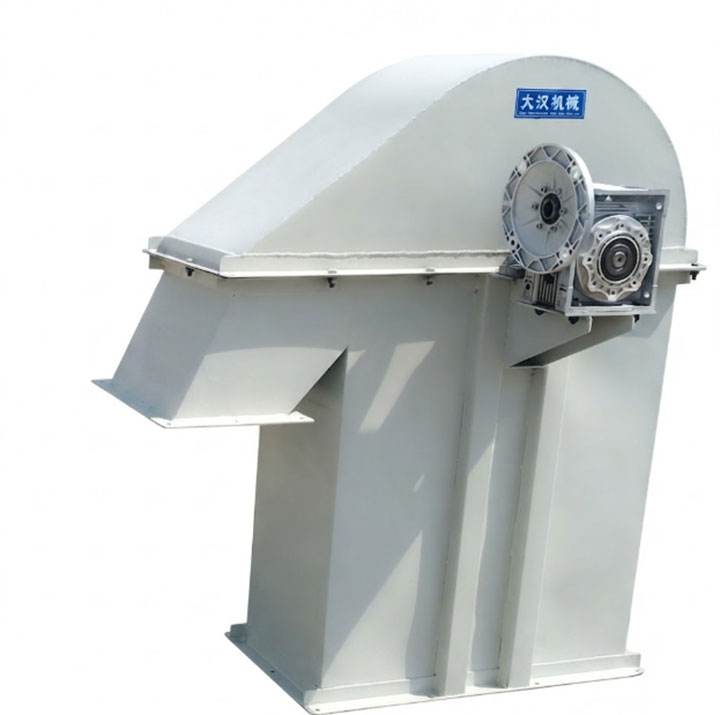
Heavy-Duty Mining Bucket Elevator
Heavy-Duty Mining bucket elevators are engineered to provide reliable, continuous vertical transport for heavy and abrasive bulk materials. Their efficient mechanical design ensures high throughput while withstanding the extreme stresses of harsh mineral processing environments.
| Lifting Height | Up to 60+ meters |
| Conveying Capacity | Up to 850 m³/h |
| Traction Assembly | High-Strength Plate & Forged Alloy Chain |
| Bucket Material | Wear-Resistant & Manganese Steel Alloy |
| Drive Power | 7.5 - 220+ kW |
How Heavy-Duty Mining Bucket Elevators Operate Under Heavy Loads
Heavy-Duty Mining bucket elevators are engineered to provide reliable, continuous vertical transport for heavy and abrasive bulk materials. Their efficient mechanical design ensures high throughput while withstanding the extreme stresses of harsh mineral processing environments.
Continuous vs. Centrifugal Discharge
Depending on the material characteristics and operational speed, they utilize two primary discharge methods:
- Continuous Discharge: Ideal for fragile or abrasive heavy ores, operating at lower speeds with closely spaced buckets to ensure smooth, spill-free gravity discharge.
- Centrifugal Discharge: Designed for free-flowing granular minerals, operating at higher speeds to discharge material via centrifugal force into the upper outlet.
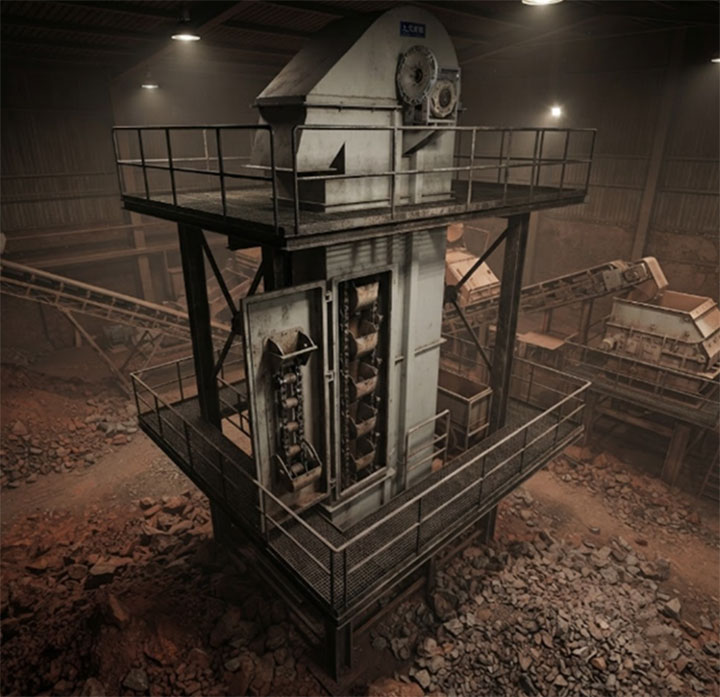
Anatomy of Our Mining-Grade Elevator
Every component is engineered from the ground up to endure extreme mechanical stress and material abrasion:
- Enclosed Casing: Dust-tight, rigid steel housing prevents material leakage and ensures environmental safety on-site.
- Forged Traction Chains: Heavy-duty alloy steel chains designed to resist elongation, high tension, and heavy shock loads.
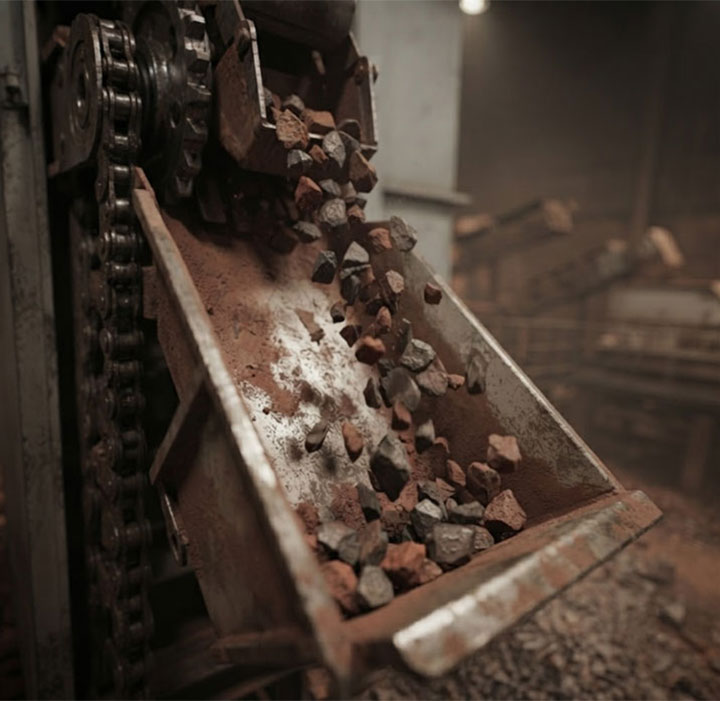
- Wear-Resistant Buckets: High-strength steel or alloy buckets securely bolted to withstand the constant impact of sharp, heavy rocks.
- Drive & Take-Up Units: Reliable gear motors paired with automated tensioning systems to maintain optimal chain stability.
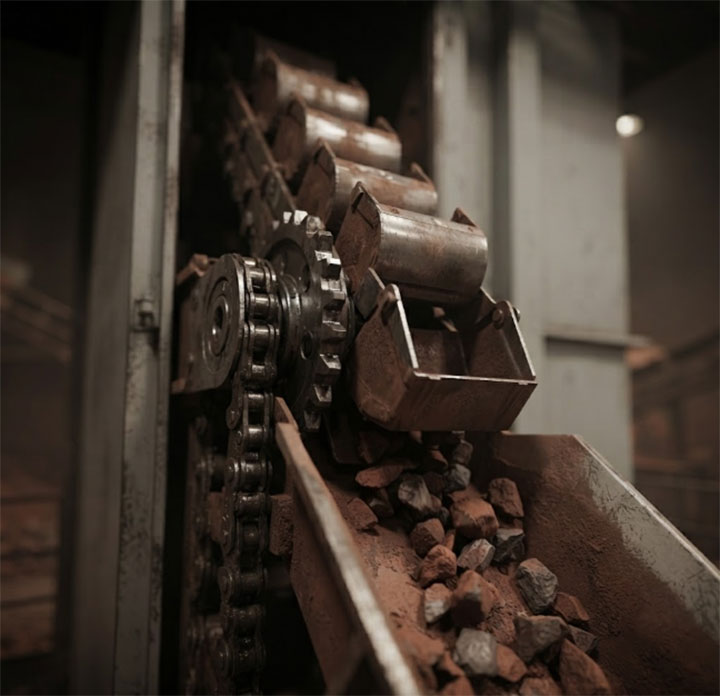
Technical Data Sheet: Capacities, Heights, and Power Specifications
Our heavy-duty vertical elevators are configured to handle diverse throughput and structural demands across industrial processing plants. Review our primary technical data below to determine the ideal match for your operational scale.
| Equipment Model | Capacity Range (m³/h) | Max. Height (m) | Traction Assembly | Bucket Composition | Drive Power (kW) |
|---|---|---|---|---|---|
| DME-NE Series (Standard) | 30 - 160 | Up to 40 | High-Strength Plate Chain | Wear-Proof Steel | 7.5 - 37 |
| DME-TH Series (Heavy-Duty) | 160 - 480 | Up to 55 | Forged Alloy Link Chain | Manganese Steel Alloy | 30 - 90 |
| DME-TB Series (High-Capacity) | 480 - 850+ | Up to 60+ | Dual-Strand Heavy Chain | Hardened Impact Steel | 110 - 220+ |
Note: Tailored engineering modifications—including customized inlet/outlet dimensions, specialized anti-corrosion linings, and specific motor voltages—are fully supported.
Engineering Advantages: Built to Withstand Abrasive Impact and Heavy Loads
Operating in the mining and aggregate sector requires equipment that goes beyond standard specifications. Our elevators incorporate rugged structural reinforcements and advanced metallurgy to guarantee long-term reliability under the toughest operational conditions.
Hardened Alloy Chains Designed
Heavy mineral loads put immense stress on traction components. We utilize precision-forged, heat-treated alloy chains engineered with high tensile strength to resist elongation, absorb heavy shock loads, and prevent unexpected line stoppages.
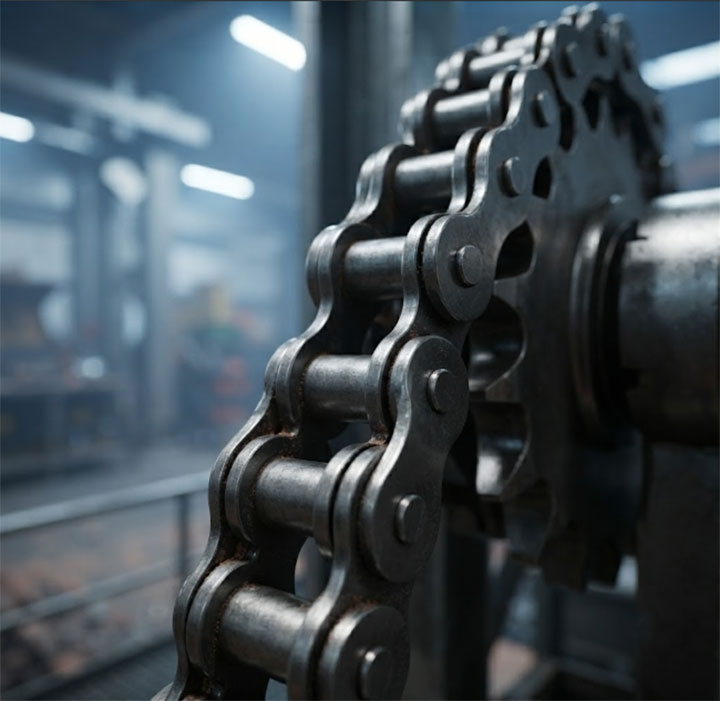
Heavy-Duty Manganese Steel Buckets
The constant scraping of sharp, high-density rocks destroys standard buckets. Our systems feature reinforced manganese or alloy steel buckets designed to absorb impact energy, extending replacement cycles and reducing upkeep frequency.
Fully Dust-Tight Casing Structures
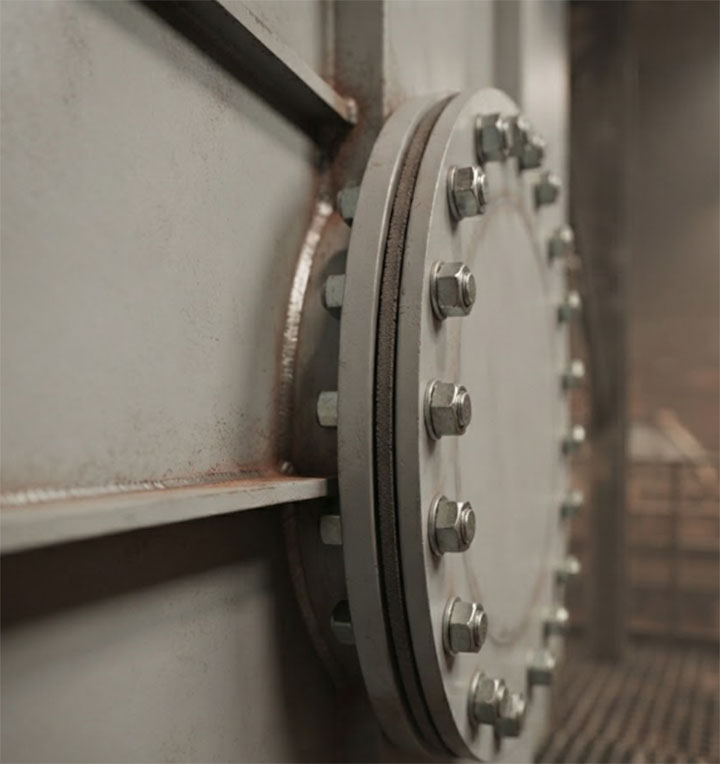
To contain fine mineral dust and maintain a safe, clean plant environment, our casings are engineered with precision-welded, gasket-sealed flanged joints. This robust containment prevents material leakage and ensures regulatory compliance.
Performance Across Mining, Quarrying, and Mineral Processing Plants
Designed for versatility and raw power, our vertical elevators serve as the backbone for material handling lines across heavy industrial sectors. Different mineral characteristics require tailored configurations to ensure optimal performance and longevity.
| Industry / Application | Typical Handled Materials | Recommended Model Series | Recommended Bucket & Chain Material |
|---|---|---|---|
| Metal Ores & Mining | Iron ore, copper, bauxite, zinc, gold-bearing rock | DME-TB (High-Capacity) / DME-TH | Forged Alloy Chain + Hardened Manganese Steel Bucket |
| Aggregates & Quarrying | Limestone, granite, gravel, silica sand | DME-TH (Heavy-Duty) | High-Strength Link Chain + Wear-Resistant Steel Buckets |
| Solid Fuels & Cement | Coal, cement clinker, raw meal, potash | DME-NE (Standard) / DME-TH | Plate Chain + Reinforced Alloy Steel Buckets |
Need help determining the ideal configuration for your specific material density, moisture, and particle size? Talk to our engineers for a custom recommendation.
Matching the Elevator Type to Your Mineral Characteristics
Selecting the correct vertical elevator helps avoid premature wear, prevents material blockage, and maximizes overall plant productivity. Our engineers evaluate several critical operational factors before finalizing your system design.
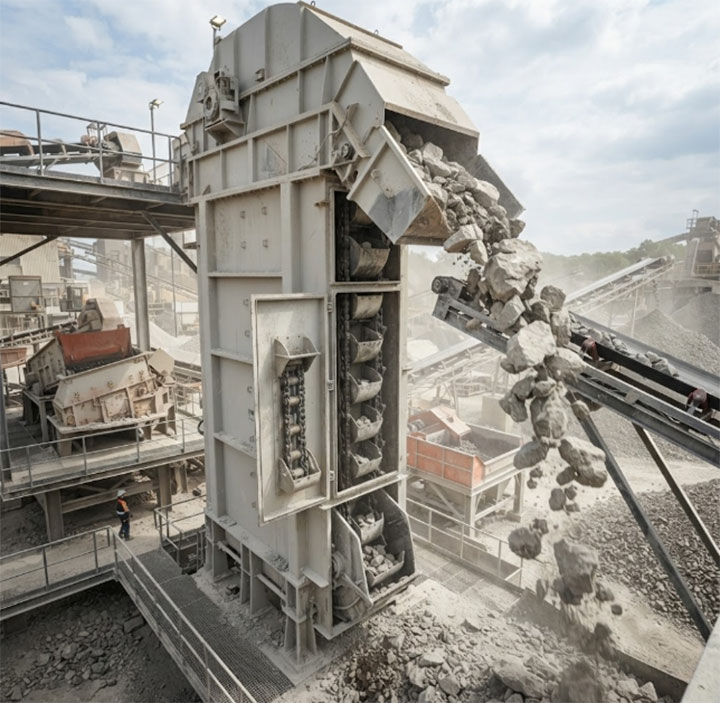
Material Abrasiveness & Hardness: Highly abrasive minerals (like quartz, granite, and iron ore) require specialized wear-resistant alloy buckets and hardened chain pins to withstand continuous friction.
Particle Size & Bulk Density: Larger lump sizes dictate bucket volume and spacing (continuous vs. centrifugal discharge), while heavy bulk densities determine the required motor power and traction tensile rating.
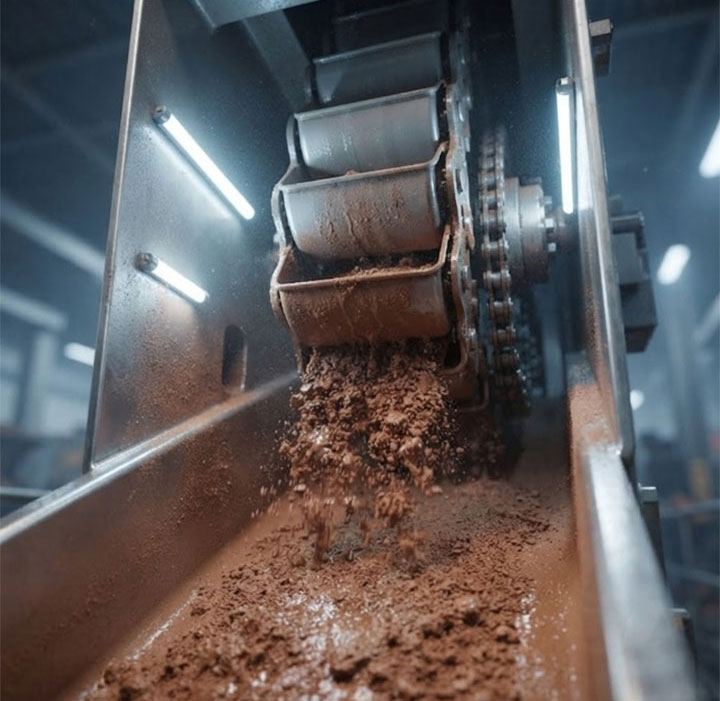
Moisture Content & Flowability: Sticky or damp mineral fines require specialized bucket profiles and anti-stick internal housing designs to prevent material build-up and ensure clean discharge.
Frequently Asked Questions by Mining Engineers
Find direct answers to common technical, operational, and maintenance inquiries regarding our heavy-duty mining bucket elevators.
How do you prevent chain wear and elongation in abrasive mining applications?
We utilize precision-forged, heat-treated alloy steel chains with high tensile strength. Additionally, our automated take-up and tensioning systems maintain optimal chain stability, minimizing elongation and wear under heavy shock loads.
What is the maximum handling capacity and lifting height available?
Our standard heavy-duty series can handle capacities up to 850 m³/h and achieve vertical lifting heights of over 60 meters. Custom engineering options are also available for larger scales.
How do you ensure dust control during the vertical transport of fine mineral powders?
All our elevator casings feature precision-welded, gasket-sealed flanged joints coupled with dust-tight inspection doors, containing fine particulates and meeting strict environmental standards.
Need a Custom Vertical Conveying Solution?
Struggling with high wear rates, low throughput, or unique plant layout constraints? Consult our expert mining equipment engineers today. Share your material specifications and lifting requirements to receive a tailored engineering proposal and professional sizing recommendation.
Recommend Product
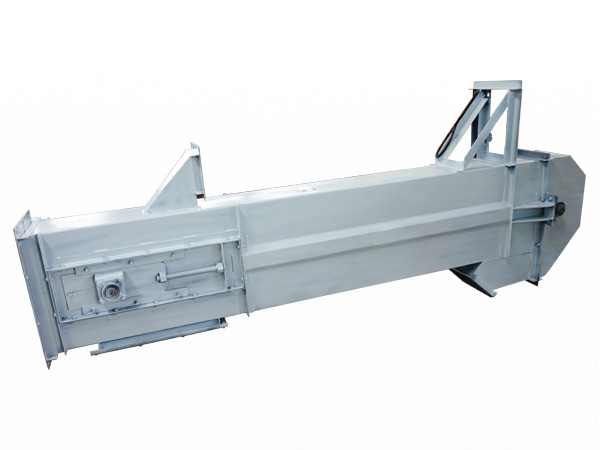
Continuous Bucket Elevator
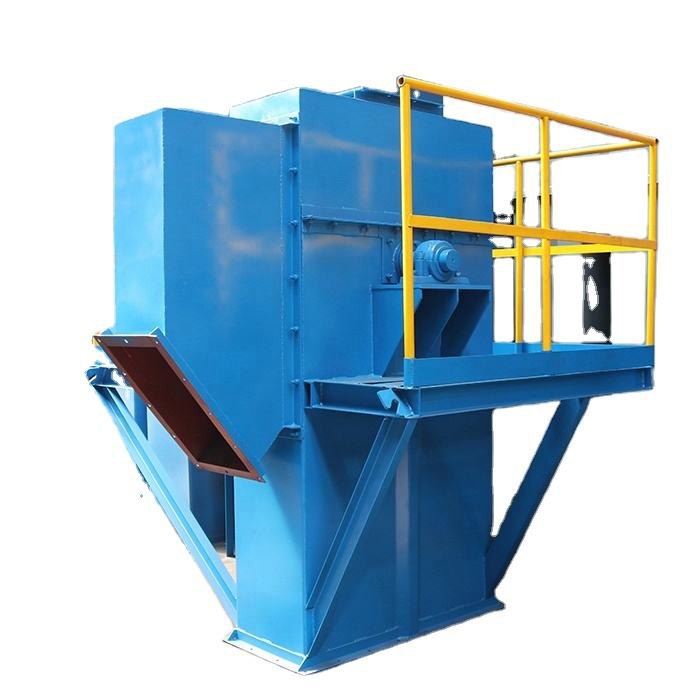
TH Chain Bucket Elevator
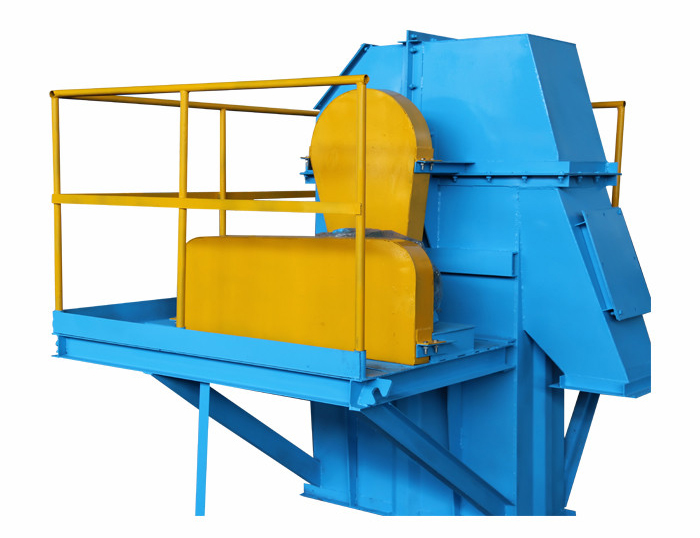
NE Plate Chain Bucket Elevator
Products
Hot Modules
locations


headquarters
Address:China,Yanjin county forest park gate to the west 1000 meters north road.